
Planning Guides
Your 2026 Guide to Event Venues in and Around San Antonio
June 22, 2026 · 30 min read · By Rio Cibolo Ranch
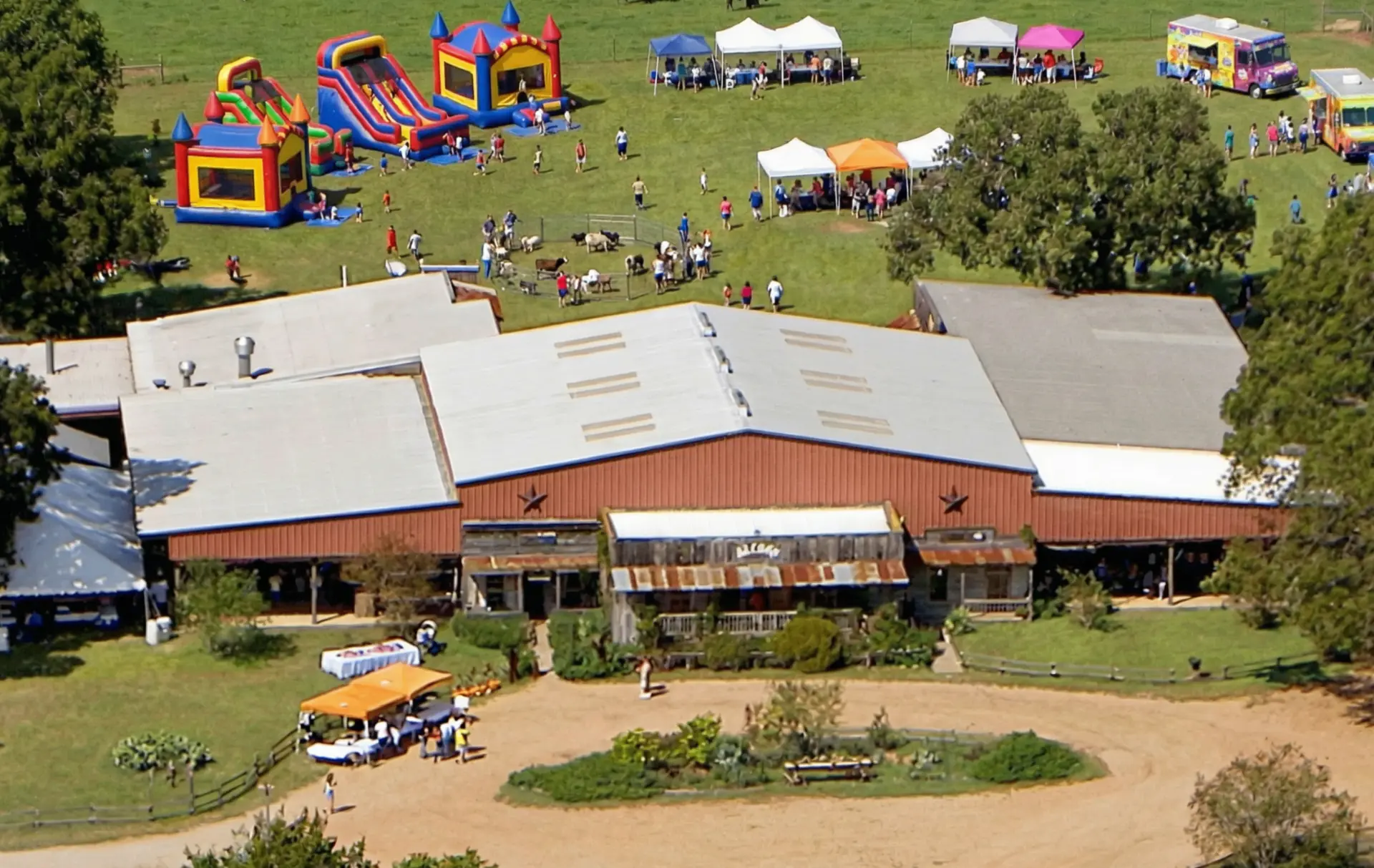
Introduction: Navigating San Antonio's Event Landscape in 2026
San Antonio is one of the most event-friendly cities in Texas. It has the hotel inventory of a major convention destination, the cultural gravitas of a UNESCO World Heritage city, and—just beyond the city limits—a Hill Country landscape that gives planners access to a completely different kind of event experience: wide-open ranches, creek-side pavilions, and cedar-scented evenings that no downtown ballroom can replicate. That range is what makes choosing among **event venues in San Antonio** both exciting and complicated.
This guide is written from the ground up for planners: corporate HR leaders coordinating company picnics for 800 employees, couples who want an outdoor wedding without gambling on the weather, nonprofit fundraising chairs looking for something that doesn't feel like another hotel banquet room, and festival producers who need covered outdoor square footage measured in acres, not square feet. Whether your guest list is 30 or 3,000, the goal here is to give you a clear, practical framework—types of venues, neighborhoods, realistic budget ranges, logistics, and a curated directory—so you can spend less time searching and more time planning.
Every recommendation, price range, and logistical note in this guide is anchored to 2026 conditions: current venue offerings, this year's major city events, and the practical realities of planning around a Texas climate that is beautiful in March and merciless in August. *Last updated: June 2026.*
San Antonio for Event Planners in 2026: An Overview
The Heart of Texas: Culture, Climate, and Key Attractions
San Antonio is the seventh-largest city in the United States, with a metropolitan population approaching 2.7 million. For planners, that size means genuine infrastructure—two international airports (San Antonio International is the primary; Austin-Bergstrom is roughly 80 miles northeast), a robust hotel supply across every price tier, strong vendor ecosystems for catering, A/V, and production, and enough critical mass to attract national touring acts and trade shows.
But San Antonio's identity as an event destination goes deeper than its size. The Alamo, the River Walk, the four remaining Spanish colonial missions that make up the San Antonio Missions UNESCO World Heritage Site, and the deep Tejano, German, and Indigenous cultural fabric of the city all create a sense of place that guests from out of town genuinely feel. That matters for events: a gathering in San Antonio already has a story attached to it before you book your first vendor.
**Climate basics every planner needs to know:**
- **October–April:** The most reliably comfortable window. Daytime highs range from the mid-50s (°F) in January to the mid-70s by April. Spring can bring afternoon thunderstorms, particularly in March and April.
- **May–June:** Transitional. Warm and pleasant in the mornings, with afternoon heat building toward summer levels. This is still a viable outdoor season with early-morning or evening programming.
- **July–September:** San Antonio averages over 95°F on roughly 110+ days per year. Outdoor events in this window require meaningful shade, hydration stations, and ideally air-conditioned spaces for any programming longer than an hour.
- **Heat index:** Humidity amplifies the feels-like temperature significantly from July through September. A 98°F day can feel like 108°F. Build this into your rain-plan thinking—even clear-sky days can be heat emergencies at scale.
Navigating Peak Seasons and Major Events
Certain dates in 2026 will tighten venue availability and push hotel rates up sharply. Book—or at minimum, RFP—at least 12 months out if your event falls near any of the following:
| Period | Event / Factor | Planner Impact |
|---|---|---|
| Late January–February | NBA All-Star Weekend (market-dependent) and San Antonio Stock Show & Rodeo | Hotels fill from Bexar County outward; shuttle and bus availability drops |
| April (10-day window) | Fiesta San Antonio (citywide festival, 100+ events) | Downtown venues book out 18 months in advance; restaurant private dining disappears; parking premiums spike |
| Memorial Day weekend | Regional drive traffic; River Walk hotels at peak leisure rates | Limited downtown availability; Hill Country ranches book faster than usual |
| June–August | Slow corporate season, but family reunion and wedding peak | Weekend ranch venues in high demand; weekday conference centers often offer meaningful discounts |
| October | San Antonio Restaurant Week (extended), pleasant weather | Shoulder peak for weddings and outdoor galas; book by January for fall dates |
| December | Holiday parties | Corporate event season compresses into 3–4 weekends; quality venues are gone by August if you wait |
**Fiesta deserves a special note.** It is not a single event—it is a two-week civic institution involving more than 100 separate events, parades, and coronations. If your event date overlaps with Fiesta, plan as if San Antonio is sold out and work outward from there. Hill Country venues 20–30 minutes from downtown often have availability that urban venues do not.
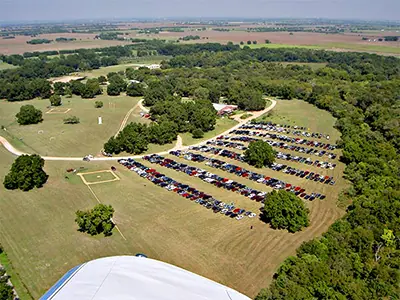
Choosing Your Setting: Types of Event Venues Near San Antonio
San Antonio's venue ecosystem is genuinely diverse. Understanding what each category does well—and where it falls short—is the fastest shortcut to a good decision.
Hotels and Ballrooms: Classic Choices for Scale and Service
San Antonio's hotel market runs from international luxury brands clustered on the River Walk and La Cantera to full-service convention properties near the airport. The Grand Hyatt, Marriott Rivercenter, Hyatt Regency, and Westin Riverwalk anchor the downtown convention corridor; the JW Marriott Hill Country Resort and La Cantera Resort represent the northwest luxury segment.
**Best for:** Large corporate conferences, galas, weddings requiring room blocks, multi-day conventions, board retreats where attendees need to roll out of bed and into a session.
**Typical capacity range:** 200–3,000+ (Grand Hyatt's largest ballroom handles 3,000+ theater-style).
**Typical 2026 venue fees:** $2,000–$25,000+ for ballroom rental, often waived with food and beverage minimums that run $15,000–$150,000+ depending on group size and property tier.
**Limitations:** Per-person F&B minimums can inflate total cost significantly; décor and vendor restrictions are common; the "hotel event" aesthetic is familiar to your guests and may not create the kind of memorable differentiation you're after.
Historic Sites and Museums: Unique Backdrops with Character
San Antonio's cultural institutions include the McNay Art Museum, the San Antonio Museum of Art (housed in a converted 1883 brewery on the River Walk), the Witte Museum, the DoSeum, and the Institute of Texan Cultures. Outdoor events can sometimes be held on the grounds of the San Antonio Missions, though World Heritage Site designation comes with strict permitting requirements and use restrictions—confirm every detail with the San Antonio River Authority and the National Park Service well in advance.
**Best for:** Corporate receptions, nonprofit galas, milestone celebrations where the venue itself signals taste and civic connection.
**Typical capacity range:** 150–1,000 depending on which spaces you activate.
**Typical 2026 venue fees:** $3,500–$20,000+, often requiring approved caterers from a preferred list.
**Key consideration:** Load-in windows, security requirements, and décor restrictions are tighter at cultural institutions than at purpose-built event venues. Budget extra time for logistics coordination.
Gardens and Parks: Natural Beauty for Outdoor Gatherings
The San Antonio Botanical Garden offers greenhouse and garden settings with capacities up to approximately 400 for evening events. Brackenridge Park, Hardberger Park, and Friedrich Wilderness Park have pavilion rentals through San Antonio Parks & Recreation for more casual gatherings. Hemisfair, the revitalized park adjacent to the Tower of the Americas, hosts public and private events in its open grounds.
**Best for:** Spring and fall weddings, corporate wellness days, casual picnics and team-building in cooler months.
**Typical 2026 venue fees:** Public park pavilion rentals run $100–$600/day through the city; Botanical Garden event packages start around $3,500 and scale with guest count.
**Key consideration:** City park permits for amplified sound typically have curfews and noise ordinances (often 10 PM on weekdays, 11 PM on weekends). Confirm current ordinances with San Antonio Parks & Recreation before finalizing a date.
Restaurants, Breweries, and Distilleries: Intimate and Immersive Experiences
The Pearl District, Southtown, and Downtown corridors are dense with private dining rooms, rooftop spaces, and full venue buyouts. The Pearl itself (a renovated 1883 brewery complex) has multiple event spaces operated by Hotel Emma and the Pearl development. Alamo Beer Company offers a garden venue near the missions. Ranger Creek Brewing & Distilling and various Southtown restaurants accommodate private buyouts.
**Best for:** Team dinners, executive receptions, birthday and anniversary celebrations under 150 guests, holiday happy hours, launch parties.
**Typical 2026 venue fees:** Often structured as F&B minimums rather than flat rental fees—typically $2,000–$12,000 depending on the space and day of week. Weekday buyouts can be significantly more flexible on minimums.
**Limitation:** Capacity tops out around 150–200 guests even for full buyouts; these are not scalable solutions for events above that threshold.
Conference Centers and Exhibition Halls: Built for Business
The Henry B. González Convention Center is the anchor—1.6 million square feet, connected to the Marriott Rivercenter, capable of hosting national trade shows and multi-thousand-attendee conventions simultaneously. The Freeman Coliseum Exhibition Hall, the AT&T Center (primarily an arena, but its exhibition and meeting spaces are available), and the University of Texas at San Antonio's various conference facilities round out this category.
**Best for:** Trade shows, multi-session conferences, large conventions, product launches with complex A/V requirements.
**Typical 2026 venue fees:** Convention center day rates start around $5,000 for smaller meeting rooms and scale dramatically; major hall rentals run $25,000–$200,000+ depending on configuration and duration.
**Limitation:** Convention centers are efficient but rarely create the kind of memorable, distinctive atmosphere that makes a corporate retreat or celebration feel special. They are the right tool for content-heavy, logistics-complex events.
Warehouses and Industrial Spaces: Modern and Customizable
San Antonio's near-east side and south side have a growing inventory of converted warehouse and industrial spaces popular with creative producers. These blank-canvas venues offer high ceilings, open floor plans, loading dock access, and the flexibility to build any aesthetic from scratch.
**Best for:** Brand activations, galas with elaborate décor buildouts, wedding receptions with a modern-industrial aesthetic, film and music video productions, pop-up markets.
**Typical 2026 venue fees:** $1,500–$8,000/day for raw space; production costs layered on top can be substantial since nothing (tables, linens, A/V, catering) is included by default.
Riverfront and River Walk Spaces: Iconic San Antonio Views
Several restaurants and event spaces along the River Walk offer semi-private and full buyout configurations with water views and the ambient energy of one of the most visited tourist corridors in Texas. The Arneson River Theatre—an open-air amphitheater where the stage and audience are separated by the San Antonio River—is a unique and architecturally striking option managed through the city.
**Best for:** Welcome receptions, rehearsal dinners, small corporate receptions for out-of-town guests who want to experience San Antonio properly.
**Key consideration:** River Walk venues are logistically complex. Parking is limited, load-in routes are often shared with pedestrian traffic, and noise from the surrounding corridor is part of the experience (for better or worse). They are better suited as complementary events within a multi-day program than as primary event venues for large groups.
Churches and Community Centers: Practical and Accessible Options
San Antonio has a deep network of faith community campuses and nonprofit community centers with large fellowship halls, commercial kitchens, and parking lots sized for congregations of hundreds. For nonprofits, faith communities, and budget-conscious planners, these spaces offer functional infrastructure at a fraction of commercial venue rates.
**Best for:** Church retreats, nonprofit fundraising events, family reunions, community organization gatherings.
**Typical 2026 venue fees:** $300–$2,500/day, often with in-house catering requirements or kitchen-use fees.
Performance Halls and Fairgrounds: Large-Scale Entertainment
The AT&T Center (capacity 18,000+) handles major concerts and sporting events. Majestic Theatre and Tobin Center for the Performing Arts accommodate 2,000–2,500 for theatrical and concert events. The Bexar County Fairgrounds and the Freeman Coliseum complex offer large outdoor and indoor spaces for festivals, rodeos, and public events.
**Best for:** Concerts, festivals, large corporate entertainment events, award shows.
**Typical 2026 venue fees:** $10,000–$100,000+ depending on venue, date, and production requirements. Performer guarantees, production costs, and security are typically separate from venue fees.
Ranch Venues: Authentic Texas Charm and Wide-Open Spaces
Ranch venues have become one of the most in-demand categories in the San Antonio market, and the reasons are straightforward: they deliver an experience that no urban venue can. Longhorn cattle on the horizon, pecan orchards, creek-side views, the smell of cedar on a Texas evening—these things create genuine memories rather than a generic "nice event at a venue" memory.
But ranch venues vary wildly in their actual event infrastructure. A beautiful piece of land with a rustic barn is not the same as a working event ranch with commercial kitchens, walk-in coolers, multiple covered spaces, bars, and engineered parking for 2,000 guests. The distinction matters enormously when you're coordinating 500–5,000 people.
This category is covered in depth later in this guide—including what to verify before you sign a contract and how the best ranch operations are structured to handle genuine large-scale events.
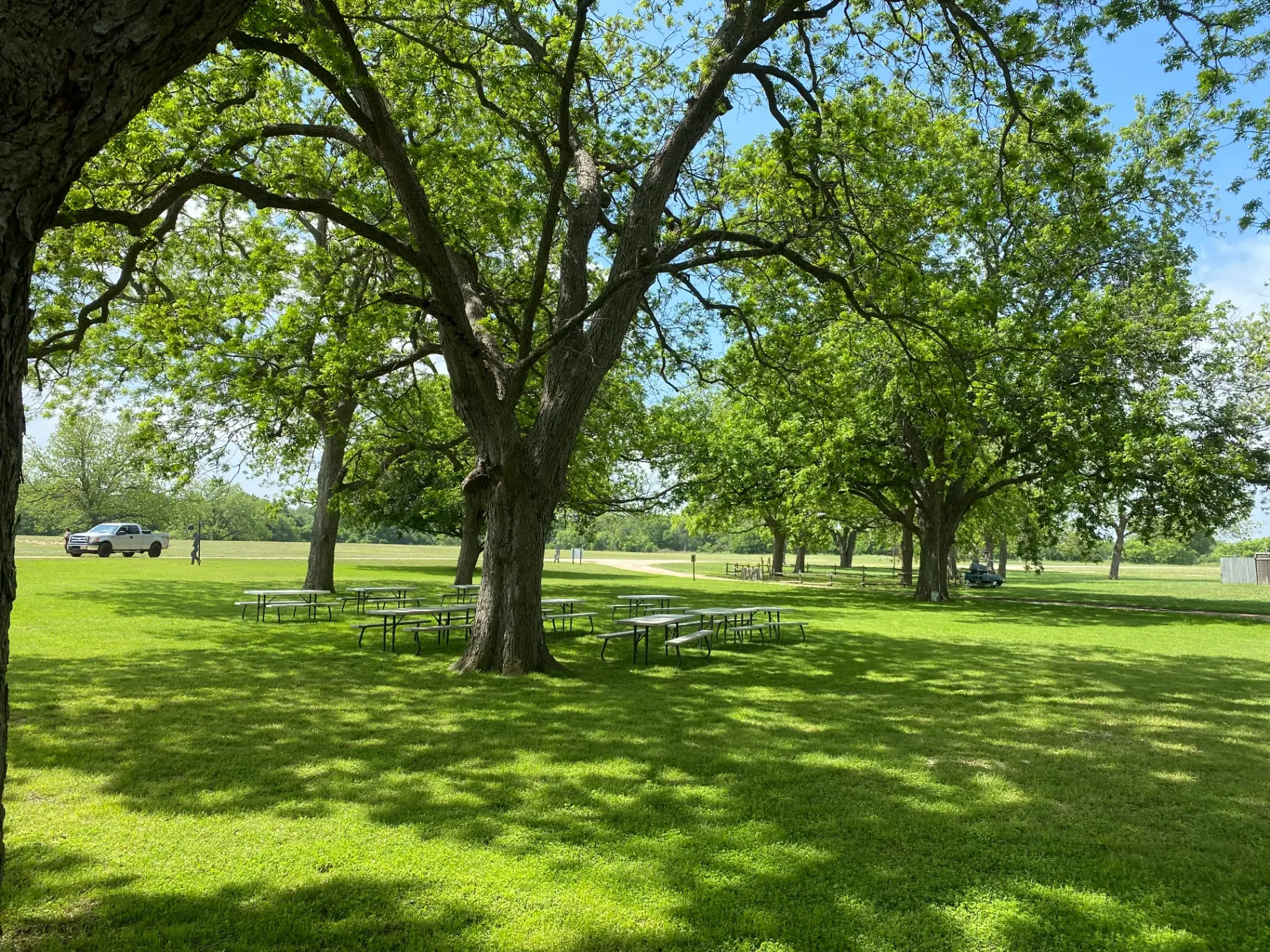
San Antonio's Neighborhoods and Nearby Hill Country for Events
Downtown San Antonio & River Walk: The Iconic Choice
Downtown is the default for out-of-town guests: maximum hotel density, walkable to major attractions, no shuttle needed if you're staying on the River Walk. The convention center, most luxury hotels, and the bulk of the city's private event spaces are concentrated here.
**Travel from SAT (San Antonio International Airport):** 15–20 minutes without traffic.
**Parking:** Structured garages are available but fill quickly on weekends and during major events. Plan for $15–$30/day in commercial lots; surface lots are largely gone from the immediate downtown core.
**Best for:** Conventions, large corporate conferences, events where walkability and hotel proximity are the primary priorities.
The Pearl District: Trendy, Upscale, and Pedestrian-Friendly
About 1.5 miles north of the Alamo, the Pearl is San Antonio's most curated neighborhood—a farmer's market, dozens of restaurants, Hotel Emma (one of Travel + Leisure's most-recognized boutique hotels in Texas), and a walkable riverside campus that photographs beautifully. It has a younger, design-conscious energy that downtown proper does not.
**Travel from SAT:** 20–25 minutes.
**Parking:** Structured parking available on campus; fills quickly during Pearl farmer's market weekends.
**Best for:** Executive dinners, corporate reception events in the 50–200 person range, rehearsal dinners, company social events where aesthetic matters.
Beyond the City: Hill Country Destinations (Boerne, New Braunfels, Seguin/Marion)
The Hill Country corridor—roughly a 20-to-45-minute arc west, north, and east of downtown—is where the ranch, creek-side, and outdoor venue category lives. Boerne is 30 miles northwest on IH-10; New Braunfels is 30 miles northeast on IH-35; Seguin and Marion (home of Rio Cibolo Ranch) are 30–35 miles east on US-90 and IH-10.
These locations are far enough from the city to feel genuinely rural but close enough that guests driving from San Antonio, Austin (approximately 75–90 minutes), or the airport can reach them without a flight connection or multi-hour drive.
**Key logistics consideration:** Shuttle service from San Antonio hotels to Hill Country venues is standard practice for weddings and corporate retreats. Budget $600–$2,500 for charter bus service depending on distance, vehicle size, and number of runs. Many Hill Country venues that attract large groups have on-site parking for 200–500+ vehicles, which eliminates the shuttle requirement for most local corporate events.
**Best for:** Ranch events, creek-side weddings, multi-day corporate retreats, company picnics where space and authenticity matter more than walkability to the River Walk.
Matching Capacity to Your Guest List: From Intimate to Enormous
Getting venue capacity right is more than just counting chairs. A venue that can legally accommodate 1,000 people may have kitchen infrastructure designed for 300. A space that photos beautifully at 200 guests may feel empty and acoustically harsh at 80. Use these tiers as a starting framework:
**25–150 guests:** Most restaurant private rooms, boutique hotel event spaces, intimate ranch venues, gardens, and historic site parlors work well. Emphasis is on atmosphere and service quality.
**150–500 guests:** You're entering true event venue territory. Look for dedicated loading docks or staging areas, on-site catering infrastructure or commercial kitchen access, adequate restrooms, and climate control. Many mid-tier hotels, cultural institutions, and ranch venues serve this tier well.
**500–1,000 guests:** The venue's operational backbone—power supply, kitchen throughput, bar stations, restroom count, parking—starts to be the deciding factor. Not all "large" venues can actually run food service, beverage distribution, and crowd flow efficiently at this scale. Verify everything.
**1,000–5,000+ guests:** A short list of venues in the San Antonio market can handle this tier competently. You need covered acreage (not just square footage), commercial kitchen capacity sized for the event, walk-in coolers, multiple bar stations, staged restroom facilities, and engineered parking or shuttle infrastructure.
Massive Scale (1,000–5,000+ Guests): Covered and Outdoor Solutions
At this scale, the distinction between "a big space" and "purpose-built large-event infrastructure" becomes critical. The venues that do this well typically have:
- **Covered square footage of 20,000–60,000+ sq ft** under a single span or connected structures
- **Commercial kitchens with professional-grade equipment** and throughput capacity for the actual headcount—not just prep tables
- **Multiple independent bar stations** to manage lines
- **Walk-in cooler and dry storage** adequate for multi-day or high-volume single-day events
- **Dedicated parking** for 400–1,000 vehicles (or formal shuttle staging)
- **Load-in routes** separate from guest arrival paths
- **Generator capacity** or heavy commercial power supply
The Henry B. González Convention Center, Freeman Coliseum, and AT&T Center serve this tier in an urban context. Among ranch and outdoor venues within 45 minutes of downtown San Antonio, very few have this infrastructure—which is one reason the ones that do book out well in advance.
Budgeting Your Event Venue in 2026: What to Expect
Venue rental is almost never the only line item, and sometimes not even the largest one. Here are realistic 2026 ranges by venue type, followed by the add-ons that routinely surprise planners.
| Venue Type | Weekday | Weekend/Peak |
|---|---|---|
| Hotel ballroom (per-day rental or against F&B minimum) | $2,500–$15,000 (often waived with F&B minimum) | $5,000–$25,000+ |
| Historic site / museum | $3,500–$12,000 | $6,000–$20,000+ |
| Botanical garden / park | $500–$5,000 | $1,500–$8,000 |
| Restaurant/brewery buyout (F&B minimum basis) | $2,000–$8,000 | $3,500–$12,000+ |
| Conference center (smaller rooms) | $800–$5,000 | $1,500–$8,000 |
| Convention center (hall-level) | $10,000–$50,000 | $25,000–$200,000+ |
| Warehouse/industrial | $1,500–$5,000 | $3,000–$10,000 |
| Ranch venue (small–medium) | $1,500–$5,000 | $3,000–$8,000 |
| Ranch venue (large-scale, 1,000+ capacity) | $3,500–$12,000 | $6,000–$20,000+ |
Understanding Hidden Costs: A/V, Rentals, Security, Cleaning, Permits
The venue rental fee is the starting point. Here's what typically adds to it:
- **A/V production:** $1,500–$25,000+ depending on complexity (basic PA and projector versus full stage production with LED walls and broadcast mixing).
- **Table and linen rentals:** $1,500–$8,000 for 200–500 guests if not included by the venue.
- **Security:** Many venues require licensed security guards for events over a certain size or where alcohol is served—typically $200–$350/guard/night. Large events may require 4–10+ guards.
- **Cleaning/reset fee:** $300–$2,000, sometimes included, sometimes charged separately.
- **City permits for amplified sound or temporary structures:** $100–$1,000 depending on type; allow 4–8 weeks for processing.
- **TABC (Texas Alcoholic Beverage Commission) permits:** Required if you're serving alcohol and the venue doesn't already have a license covering your event. A temporary mixed beverage permit or caterer's permit costs $300–$700 and requires advance filing.
- **Liability insurance:** Most venues require $1–$2 million event liability coverage. A one-day event policy typically runs $75–$250 through a specialty insurer.
- **Catering:** $35–$150+ per person depending on service style (buffet vs. plated), cuisine, and staff-to-guest ratio.
- **Bar service:** $15–$45+ per person for open bar packages; cash bars are an alternative with different logistics.
- **Sales tax:** Texas sales tax (8.25% in most San Antonio jurisdictions) applies to taxable event services—confirm with each vendor what is and isn't taxable.
The Essential Event Venue Checklist: Amenities and Logistics
Before signing any venue contract, confirm the following in writing.
**Space and infrastructure:**
- Maximum certified occupancy for your event configuration (seated dinner vs. standing reception vs. theater-style)
- Square footage of indoor, covered outdoor, and open-air spaces separately
- Load-in/load-out window and any competing events on adjacent days
- Power supply: total amperage, panel locations, generator availability
- Kitchen equipment list and whether it's included in rental or separately licensed
- Bar configuration and TABC licensing situation
- Walk-in cooler and dry storage dimensions
**Guest logistics:**
- Parking count and surface type (important for Texas mud after rain)
- ADA accessibility: ramps, accessible restrooms, pathways
- Shuttle staging and drop-off zones
- Restroom count against expected headcount (guideline: 1 toilet per 50 guests for 4-hour events)
**Vendor and operations:**
- Exclusive caterer requirement, preferred vendor list, or open vendor policy
- Decor restrictions (no open flames, no glitter, no confetti, etc.)
- Noise/music curfew and amplification restrictions
- Security requirements and who provides them
- Cleanup responsibilities and final checkout time
**Contracts and compliance:**
- Cancellation and rescheduling policy (force majeure language matters in Texas)
- Event liability insurance requirements
- Damage deposit amount and return conditions
- Any required permits and who is responsible for obtaining them
Rain Plans and Weather Contingency for Texas Summers
This is not optional. Texas weather is beautiful and volatile in almost equal measure. A plan that says "we'll move inside if it rains" is only a plan if you have verified, in writing, where inside is, that it holds your full headcount, and that the transition can happen in under 15 minutes.
For outdoor summer events (May–September), build these protections into your planning:
- **Mandatory covered backup space** with confirmed capacity for your full guest count, not just a partial shelter.
- **Heat mitigation infrastructure:** Misting fans for covered outdoor spaces, hydration stations every 50 feet for events over 2 hours, shaded seating for guests who are not actively engaged in programming.
- **Mosquito control:** Hill Country creek-side venues should arrange professional mosquito treatment 24–48 hours before the event. It makes an enormous difference in guest comfort.
- **Weather monitoring:** Assign someone the explicit responsibility of monitoring NOAA and local weather radar in the 48 hours before and day-of. Have a go/no-go decision framework in your contract and your run-of-show.
- **Lightning protocol:** Define the minimum distance at which you halt outdoor programming and how long you hold before resuming. Most event safety standards recommend at least 30 minutes after the last lightning strike within 8 miles.
Venues with Lodging or Easy Hotel Blocks: Convenience for Multi-Day Events
For retreats, conferences, weddings with out-of-town guests, or any event that runs more than one day, proximity to lodging is a major logistics variable. Options in the San Antonio market:
- **On-site lodging:** A small number of venues—primarily resort hotels and ranch properties—have rooms or cabins on the property or immediately adjacent. This eliminates shuttle logistics and creates an immersive, contained experience.
- **Hotel room blocks:** Most full-service hotels will hold a room block (typically 10–50 rooms minimum) at a negotiated group rate if you sign a contract at least 90 days out. Blocks often come with attrition clauses—negotiate these carefully. Standard attrition is 80% of rooms must be picked up or you pay for the unused rooms.
- **Short-term rental blocks:** For Hill Country events, coordinated cabin or house rental blocks in Gruene, New Braunfels, or Marion are an emerging alternative to hotel blocks.
The most operationally seamless multi-day events happen when guests sleep where they gather—no end-of-night shuttle coordination, no lost attendees, and a social energy that carries across the full program.
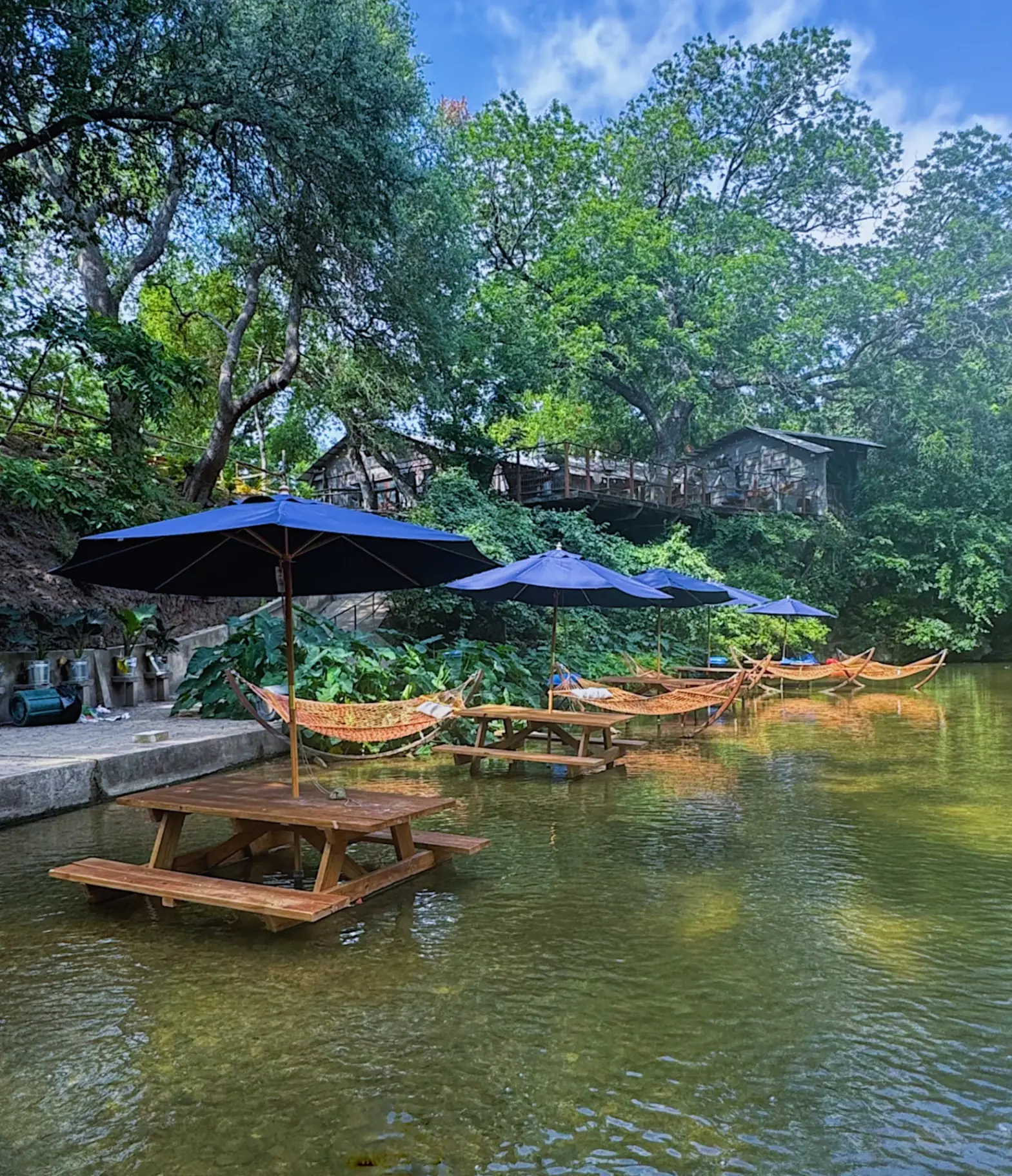
Streamlining Your Booking: Timelines, RFPs, and Availability Tips
**How far in advance should you book?**
- **Peak-demand dates (Fiesta, major holidays, October weekends):** 12–18 months for popular venues.
- **Standard Saturday weddings or corporate events:** 9–12 months is the safe window; 6 months works if you have flexibility on venue.
- **Weekday corporate events and off-season dates:** 3–6 months is usually sufficient; some venues will accommodate shorter lead times for specific dates.
- **Large-scale events (500+ guests) with complex logistics:** 12–18 months regardless of date, to allow time for vendor coordination, permits, and production planning.
**What your RFP should include:**
- Event date (and 1–2 alternate dates)
- Guest count (minimum, expected, maximum)
- Event type and format (ceremony + reception, conference + dinner, festival, etc.)
- Setup/load-in time required and event end time
- Catering requirements: full catering, prep kitchen only, or external caterer
- Bar service: open bar, beer/wine only, cash bar, or dry event
- A/V requirements: basic PA, full stage production, breakout rooms, livestream
- Lodging requirements: room block size, preferred distance from venue
- Budget range (being specific accelerates the process and filters venues that aren't a fit)
- Decision timeline: when you need proposals back and when you intend to sign
**Availability tips:**
- Call venues on Tuesday–Thursday mornings; event coordinators are generally not managing events and are most available for substantive conversations.
- Ask about "hold" policies—many venues will hold a date for 7–14 days while you complete due diligence, without requiring a deposit.
- Ask specifically about consecutive-day availability if you're planning multi-day events; knowing the venue is also booked the day before or after affects your load-in and load-out logistics.
Ranch Venues Unpacked: Why They Stand Out for San Antonio Events
Ranch venues occupy a unique position in the San Antonio event market. They offer something no urban venue can: genuine Texas scale and character. But not all ranch venues are built for events—and the difference between a pretty ranch and a properly equipped event ranch is the difference between a memorable day and a logistical crisis.
Here's what distinguishes an event-ready ranch from a scenic piece of land:
Critical Infrastructure for Large-Scale Events (Kitchens, Bars, Restrooms)
**Commercial kitchen:** A real commercial kitchen has NSF-certified equipment, a grease trap, adequate ventilation, and throughput capacity matched to the event size. Ask for a walk-through with your caterer before signing. A prep sink and a residential oven are not a commercial kitchen.
**Walk-in coolers:** Essential for any event serving food to more than 200 people. Confirm cubic footage and temperature control.
**Bar infrastructure:** Multiple bar stations positioned for crowd flow, with appropriate cold storage and ice production. One 6-foot bar for 1,000 people creates 45-minute lines and unhappy guests. Ask how many bar stations exist and at what guest count they recommend adding temporary stations.
**Restrooms:** Fixed, permanent restrooms are meaningfully better than portable facilities for any event above 150 guests. Ask for the total fixture count and confirm ADA compliance. Luxury restroom trailers are a viable solution for events that outgrow fixed facilities, but they add $800–$3,000 to your budget.
**Power supply:** Large ranch events often require more power than a residential panel provides. Confirm total available amperage, particularly if you're running stage production, large catering equipment, and climate systems simultaneously.
Ensuring Comfort: Shade, Cover, and Rain Plans
A covered outdoor space is not the same as an air-conditioned indoor space, but it is the difference between a viable Texas summer event and one that ends early due to heat. Covered spaces that face prevailing southern breezes, are elevated slightly from the creek bottom (important for air circulation), and incorporate misting systems can maintain genuinely comfortable conditions from mid-morning through early afternoon even in June.
For the afternoon heat peak (2–5 PM in summer), programming should be in covered or climate-controlled space. Well-designed ranch venues accommodate this by using covered event structures for seated programming and opening grounds for activities during cooler morning and evening hours.
Rio Cibolo Ranch: Your Scalable Texas Event Destination
On the banks of Cibolo Creek in Marion, Texas—25 minutes east of downtown San Antonio on US-90—Rio Cibolo Ranch is a 100-acre working ranch that has been operating since 1987. The longhorn cattle, towering pecan orchards, and creek-side setting are genuine, not staged. The event infrastructure is the kind that gets built over decades of operating events rather than overnight.
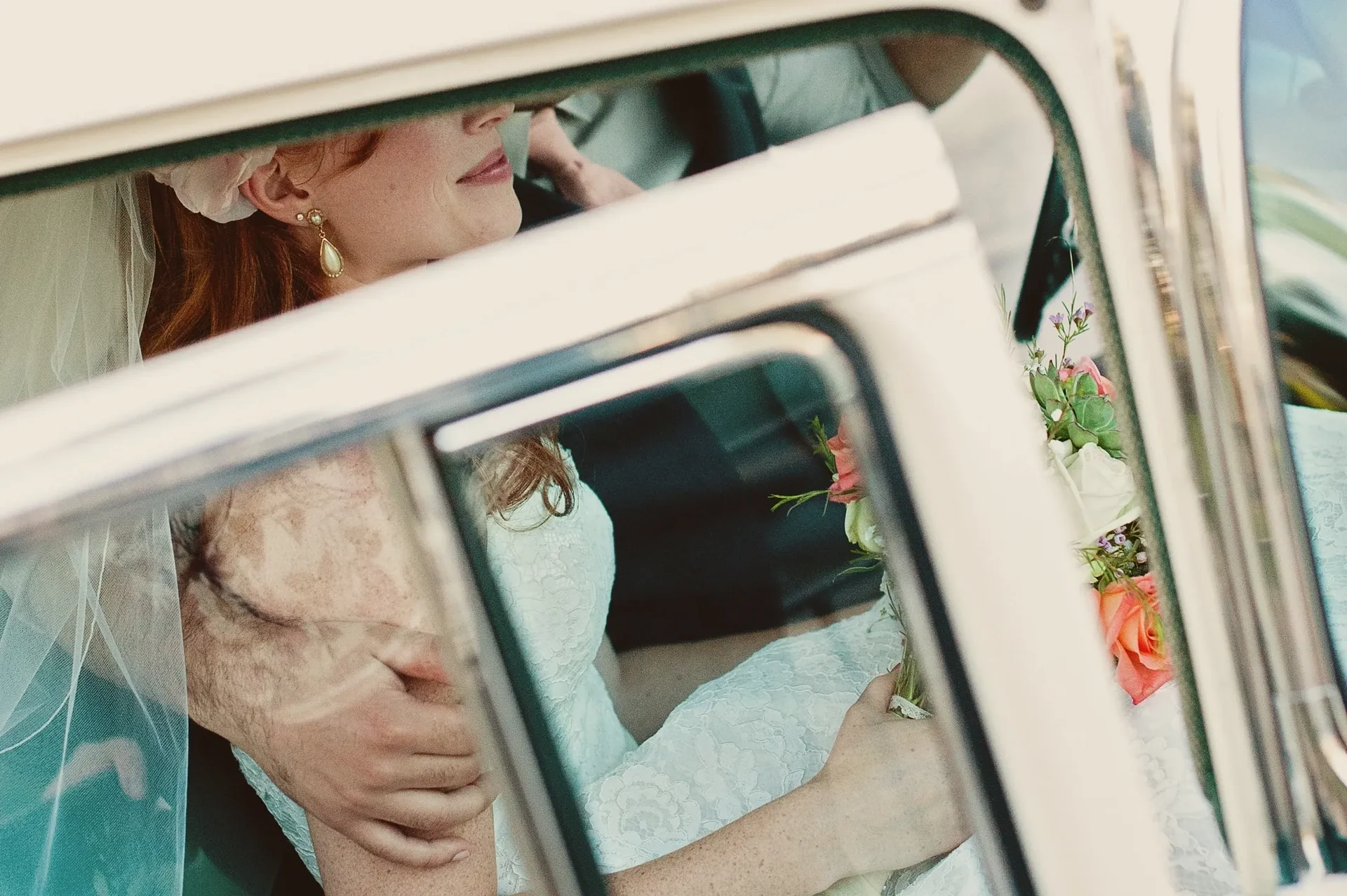
**The Lily House** accommodates up to 150 guests in a Hill Country architecture building with a creek-side deck, natural light, and a commercial prep kitchen. It's the right space for an executive retreat, an intimate wedding reception, a milestone birthday dinner, or a corporate team dinner where the setting is part of the experience.
**The Corral** is in a different category entirely. With capacity for up to 5,000 guests under a massive covered structure, it includes walk-in coolers, a full commercial kitchen, multiple bar stations, and a stage. It's one of the few covered outdoor venues within a 30-minute drive of San Antonio that can legitimately accommodate 1,000, 2,000, or 3,000 guests for a company picnic, concert, festival, or fundraising gala without requiring a full tented production buildout.
Having both venues on the same property means events can scale across the range—the Lily House for VIP or leadership programming, The Corral for the full company gathering—or be used separately for different events on consecutive days.
All-Inclusive Amenities: Catering, Bars, Games, and Grounds
The 100 acres of working ranch grounds serve as the backdrop for outdoor activities—open fields, pecan orchards along the creek, and space for organized outdoor games and team-building programming. Custom vendor options allow planners to bring preferred caterers (or use venue-approved vendors), which gives more flexibility than venues with rigid exclusive catering arrangements.
The covered infrastructure means the games and ground activities can continue in the morning while formal programming and meals use the covered spaces during peak heat hours—a design that makes the property workable for summer events in a way that purely open-air venues are not.
Overnight Options: Partnering with Son's Rio Cibolo
Adjacent to the ranch is Son's Rio Cibolo, an independently operated lodging facility with 64 cabins, three pools, and four hot tubs. For multi-day corporate retreats, leadership conferences, church retreats, or destination weddings, this eliminates the logistical layer of hotel blocks and shuttle runs entirely. Attendees arrive once, sleep on-site, and the whole program—activities, meals, meetings, and evenings—happens within walking distance.
This combination of a scalable event venue and adjacent overnight lodging is uncommon in the San Antonio market and is the specific infrastructure that makes multi-day events genuinely manageable at scale.
Ideal For: Weddings, Corporate Retreats, Picnics, Festivals, Fundraisers
- **Weddings:** Creek-side ceremony settings, Hill Country architecture, overnight lodging for guests, and flexibility on vendors.
- **Company picnics (100–5,000 guests):** Covered scale, commercial kitchen and bar, parking for hundreds of vehicles, outdoor activities built in.
- **Corporate retreats and team-building:** Multi-day capability with on-site lodging, breakout spaces, and an environment that genuinely disconnects attendees from their daily routines.
- **Concerts and festivals:** The Corral's stage, bar, and covered capacity make it one of the few Hill Country options viable for medium-scale production events.
- **Fundraisers and galas:** The ranch aesthetic creates a distinctive experience for guests accustomed to hotel banquet rooms; pecan orchard settings and creek views photograph and feel unlike any ballroom.
- **Church and community retreats:** Acreage, lodging, and flexible event spaces for faith community gatherings of varying sizes.
- **Holiday parties:** Covered scale and on-site lodging compress the December corporate season into a single, contained venue.
San Antonio Event Venue Directory (2026)
How to Use This Directory
This directory covers a cross-section of notable venues across venue types, neighborhoods, and capacity tiers in the San Antonio market. It is not exhaustive—San Antonio has hundreds of licensed event spaces—but it is designed to give you a representative starting point across categories. Entries are organized by venue type. Capacity figures are approximate maximums; always confirm certified occupancy for your specific configuration.
Hotels & Ballrooms
| Venue | Location | Max Capacity | Type | Price Range | Notable Features |
|---|---|---|---|---|---|
| Grand Hyatt San Antonio | Downtown / River Walk | 3,000+ | Indoor ballroom | $$$$ | Connected to Convention Center; River Walk access; full A/V |
| Marriott Rivercenter | Downtown | 2,800 | Indoor ballroom | $$$$ | Attached to Convention Center; multiple breakout rooms; 1,000 hotel rooms |
| JW Marriott Hill Country | Northwest / La Cantera | 2,000 | Indoor + outdoor | $$$$ | Golf course; lazy river; Hill Country views; extensive outdoor event grounds |
| La Cantera Resort & Spa | Northwest | 1,200 | Indoor + outdoor | $$$$ | Hill Country setting; multiple outdoor terrace spaces; luxury amenities |
| Hyatt Regency San Antonio | Downtown | 1,600 | Indoor ballroom | $$$ | River Walk location; large ballroom; convenient for conventions |
| Westin Riverwalk | Downtown | 800 | Indoor | $$$ | River Walk access; smaller than the major convention hotels; useful for executive events |
Historic Sites & Museums
| Venue | Location | Max Capacity | Type | Price Range | Notable Features |
|---|---|---|---|---|---|
| McNay Art Museum | Alamo Heights | 600 | Indoor + outdoor | $$$ | Spanish Colonial Revival mansion; sculpture garden; approved caterer list |
| San Antonio Museum of Art | Downtown / River Walk | 700 | Indoor + outdoor | $$$ | Converted 1883 brewery; River Walk-adjacent; eclectic mix of spaces |
| Witte Museum | Brackenridge Park | 600 | Indoor + outdoor | $$$ | Natural history setting; outdoor courtyard; STEM-focused corporate events |
| Institute of Texan Cultures | Downtown / Hemisfair | 1,000 | Indoor + outdoor | $$–$$$ | Multicultural Texas heritage; large open hall; flexible layout |
| Briscoe Western Art Museum | Downtown | 250 | Indoor | $$$ | Adjacent to River Walk; Western art backdrop; intimate reception spaces |
Gardens & Outdoor Parks
| Venue | Location | Max Capacity | Type | Price Range | Notable Features |
|---|---|---|---|---|---|
| San Antonio Botanical Garden | Near Airport / Broadway | 400 | Outdoor + covered | $$–$$$ | Greenhouse options; seasonal gardens; approved vendor list; strong rain plan limitations |
| Hemisfair | Downtown | 2,000+ | Open outdoor | $–$$ | Adjacent to Convention Center; Tower of the Americas backdrop; permit-based |
| Brackenridge Park (pavilions) | Midtown | 200 per pavilion | Outdoor covered | $ | City-permitted; affordable; no exclusive catering; noise curfews apply |
Restaurants, Breweries & Distilleries
| Venue | Location | Max Capacity | Type | Price Range | Notable Features |
|---|---|---|---|---|---|
| Hotel Emma (multiple spaces) | Pearl District | 250 | Indoor + outdoor | $$$$ | Boutique luxury setting; multiple distinctive rooms; River Walk–adjacent |
| Alamo Beer Company | Missions District | 400 | Indoor + outdoor | $$–$$$ | Garden venue with downtown skyline and Mission Concepción views |
| The Esquire Tavern | Downtown / River Walk | 150 | Indoor + rooftop | $$–$$$ | Historic longest bar in Texas; rooftop terrace; River Walk access |
Conference Centers & Convention Halls
| Venue | Location | Max Capacity | Type | Price Range | Notable Features |
|---|---|---|---|---|---|
| Henry B. González Convention Center | Downtown | 50,000+ | Indoor convention | $$$$ | 1.6M sq ft; adjacent to River Walk hotels; full production infrastructure |
| Freeman Coliseum Exhibition Hall | East San Antonio | 5,000+ | Indoor/outdoor | $$–$$$ | Large flexible hall; rodeo and trade show history; accessible parking |
| UTSA Event Center | Northwest | 5,000 | Indoor arena/hall | $$–$$$ | Near Medical Center; flexible configurations; university catering |
Performance Halls & Fairgrounds
| Venue | Location | Max Capacity | Type | Price Range | Notable Features |
|---|---|---|---|---|---|
| Tobin Center for the Performing Arts | Downtown | 2,500 | Indoor theater | $$$$ | World-class acoustics; Broadway-quality stage; River Walk views |
| Majestic Theatre | Downtown | 2,311 | Indoor theater | $$$ | Atmospheric 1929 historic theater; full rigging; limited load-in windows |
| AT&T Center | East San Antonio | 18,500 | Indoor arena | $$$$ | NBA/AHL venue; major concert infrastructure; large meeting/event spaces |
Ranch Venues
| Venue | Location | Max Capacity | Type | Price Range | Notable Features |
|---|---|---|---|---|---|
| Rio Cibolo Ranch | Marion, TX (25 min east of SA) | 5,000+ | Covered outdoor + indoor | $$–$$$$ | 100 acres; Cibolo Creek; The Lily House (150) + The Corral (5,000); commercial kitchen; stage; adjacent lodging (Son's Rio Cibolo, 64 cabins); scales 25–5,000+ |
| Pedrotti's Ranch | Northwest San Antonio | ~2,500 | Covered outdoor + indoor | $$–$$$ | Established Hill Country-style ranch; multiple event buildings; on-site catering; strong corporate picnic history; covered pavilions; parking lot |
| Shady Oaks Ranch | Boerne area | ~300 | Outdoor + covered | $$–$$$ | Smaller intimate ranch setting; Hill Country views; wedding-focused; limited large-group infrastructure |
| Enchanted Springs Ranch | Boerne | ~500 | Outdoor / Western town | $$–$$$ | Unique replica Western frontier town set; film/TV backdrop; themed corporate events; outdoor spaces |
| The Ranch by GMV | Northwest San Antonio area | ~1,500 | Covered outdoor + indoor | $$–$$$ | Large covered pavilion; multiple event areas; corporate and social events; on-site catering options |
| Rancho La Mission | Northwest San Antonio | ~500 | Outdoor + covered chapel | $$–$$$ | Wedding-focused; chapel and garden ceremony spaces; manicured grounds; romantic Hill Country aesthetic |
| La Escondida Celebration Center | Northeast of SA | ~300 | Outdoor creek/wooded | $$–$$$ | Creek and wooded setting; intimate outdoor grounds; covered pavilion for weather backup; event-focused |
Warehouse & Industrial
| Venue | Location | Max Capacity | Type | Price Range | Notable Features |
|---|---|---|---|---|---|
| The Espee | Sunset Station / East SA | 1,200 | Indoor warehouse | $$–$$$ | Historic SP railroad station complex; multiple rooms; flexible for productions |
| Sunset Station | East San Antonio | 2,000 | Indoor + outdoor | $$–$$$ | 1902 railroad station; courtyard + indoor hall; concerts, galas, weddings |
Community & Church Venues
| Venue | Location | Max Capacity | Type | Price Range | Notable Features |
|---|---|---|---|---|---|
| Claude H. Dawson Multi-Purpose Complex | Leon Valley / Northwest | 500 | Indoor | $ | City-managed; affordable; basic A/V; parking |
| Various faith community campuses | Citywide | 50–1,500 | Indoor + fellowship halls | $–$$ | Wide range; call local congregations directly; often most affordable covered spaces in the market |
Essential Planning Resources for San Antonio Events
These organizations and links are the primary starting points for permits, logistics, and coordination with city and regional bodies:
- **Visit San Antonio** — the official destination marketing organization; offers a complimentary venue sourcing service for groups with defined room block and meeting space requirements. (visitsanantonio.com)
- **City of San Antonio – Development Services (Permitting)** — for temporary structures, tent permits, public event permits, and noise variance applications. (sanantonio.gov/DSD)
- **San Antonio Parks & Recreation – Facility Reservations** — for pavilion rentals at city parks including Brackenridge, Hardberger, and others. (sanantonio.gov/parksandrec)
- **San Antonio River Authority (SARA)** — for events along or adjacent to the San Antonio River or within River Walk management areas. (sara-tx.org)
- **National Park Service – San Antonio Missions** — for any event at or adjacent to Mission Concepción, Mission San José, Mission San Juan, or Mission Espada. Strict use policies apply to World Heritage–designated sites. (nps.gov/saan)
- **Texas Alcoholic Beverage Commission (TABC)** — for temporary event permits, caterer permits, and licensing questions related to alcohol service at private events. (tabc.texas.gov)
- **San Antonio Police Department – Special Events** — for events expecting 500+ attendees, events with road closures, or events requiring SAPD security. (sanantonio.gov/sapd)
- **Bexar County Emergency Management** — for large public events, mass gathering guidance, and multi-agency coordination for events over 1,000 attendees. (bexar.org/emergency)
**Local vendor networks to establish early:**
- A/V and production: multiple regional firms including AVT (AV Technologies), Pro Sound & Video, and others operate throughout the San Antonio market.
- Tent and structure rentals: South Texas tent and event rental companies typically require 60–90 days lead time for large structures.
- Luxury restroom trailers: book 60–90 days out for peak season dates.
- Shuttle and charter bus: book 90–120 days out for peak dates; confirm wheelchair-accessible vehicle availability.
Your Next Steps: Finding the Perfect Venue for Your Vision
By now, you have a framework for every major decision in San Antonio venue selection: the venue type that fits your event's aesthetic and operational requirements, the neighborhood or geographic setting that serves your guests, a realistic capacity and budget bracket, a logistics checklist to run through before signing a contract, and a directory of notable venues across every category.
Here's a practical sequence to move from research to decision:
- **Lock your non-negotiables first.** Guest count, date range, and one or two must-have amenities (covered space, on-site catering, overnight lodging) are the filters that cut your list from hundreds of options to a manageable handful. Every conversation with a venue goes faster when you lead with these.
- **Visit in person.** Venue photos are curated and lit by professionals. Walking a property—testing the load-in route, assessing the kitchen, walking the distance from parking to the main space—takes 45 minutes and routinely changes the decision. Budget two or three site visits before committing.
- **Send a structured RFP.** The checklist earlier in this guide gives you the template. Venues that respond quickly, completely, and with genuine engagement about your specific event are almost always easier to work with on event day.
- **Negotiate before you sign.** Venue contracts are starting points. Date holds, reduced attrition on room blocks, included A/V packages, complimentary planning days, and flexible payment schedules are all commonly negotiated. Ask.
- **Confirm your rain plan in the contract.** Not as a verbal understanding—in the contract. What is the backup space, what is the transition protocol, and who makes the call and when.
The best events in San Antonio—the ones people talk about years later—share a common thread: a setting that created genuine contrast to the everyday. Sometimes that's the River Walk at dusk. Sometimes it's a Hill Country ranch at golden hour, with a creek in the background and longhorns on the ridge. The city and the country are both available to you here, within 25 minutes of each other, which is one of the things that makes planning in this market genuinely exciting.
Start your venue search early, ask the right operational questions, and the right space will make itself obvious. When you're ready to walk a working Hill Country ranch with covered scale for 25–5,000+ guests, schedule a site visit — tours are private, unhurried, and free.
Frequently Asked Questions
*Rio Cibolo Ranch is part of the Sons family of Texas Hill Country properties.*
Plan Your Visit
Come walk the ranch with us.
The fastest way to know if Rio Cibolo Ranch is right for your gathering is to see it in person. Tours are private, unhurried, and free.